








Global Realignment: How Shifting Alliances and Regional Conflicts Are Redefining World Order
From contested maritime corridors to diplomatic realignment, regional powers navigate fragmented alliances in a multipolar era.

The contemporary international system is experiencing its most pronounced period of disruption in decades. The post-Cold War security architecture, long predicated on predictable trade corridors, multilateral consensus, and collective security mechanisms, has given way to an increasingly fragmented, transactional reality. From critical maritime passages to tech-driven resource competition, sovereign states are actively recalibrating their foreign policies to withstand an era defined by geopolitical volatility.
Strategic Fracture: The Erosion of the Multilateral Consensus
For decades, international diplomacy operated on the assumption that deepening economic interdependence would deter large-scale interstate friction. Recent developments have systematically challenged this premise. Supply chains, cross-border energy grids, and critical technologies are increasingly being weaponized as instruments of statecraft, forcing national capitals to prioritize sovereign resilience over global efficiency.
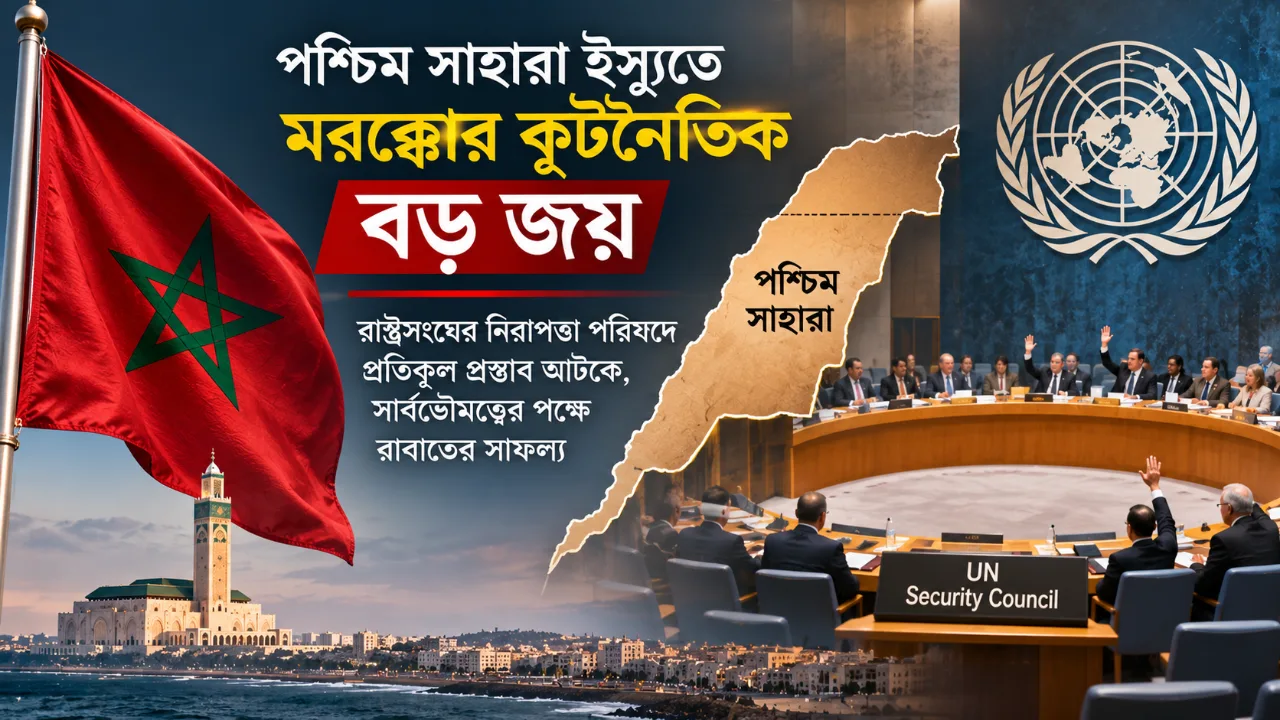
International bodies, including the United Nations Security Council, face persistent institutional deadlock, often rendered incapable of producing binding resolutions on contentious security crises. As a direct consequence, diplomatic engagement has transitioned away from sweeping international summits toward smaller, interest-driven coalitions designed to address targeted strategic objectives.
Chokepoints and Supply Chain Pressures
The strategic vulnerabilities of global commerce have been brought into sharp focus by disruptions along primary maritime corridors. Hostilities impacting the Red Sea and the Bab el-Mandeb Strait have demonstrated how regional asymmetric capabilities can distort international shipping lanes, inflate freight insurance premiums, and exacerbate inflationary pressures thousands of miles away.
Vulnerabilities in Maritime Trade
Naval operations dispatched by multinational coalitions have highlighted the asymmetrical costs of modern deterrence. Low-cost automated aerial systems and anti-ship missile threats have forced commercial operators to reroute vessels around the Cape of Good Hope, adding weeks to transit times and destabilizing just-in-time manufacturing models worldwide.
- Escalated Freight Costs: Extended trade routes require higher fuel expenditure and reduced container turnaround rates.
- Critical Resource Bottlenecks: Industrial sectors remain vulnerable to delayed shipments of components and energy resources.
- Sovereign Redundancy: Governments are accelerating efforts to nearshore and friend-shore production lines to bypass precarious maritime choke points.
The Rise of Minilateralism and Strategic Hedging
In response to broad systemic gridlock, governments across the Indo-Pacific, Europe, and the Middle East are abandoning rigid, Cold War-style treaty frameworks in favor of flexible, issue-specific partnerships. Known as minilateralism, these arrangements prioritize functional cooperation over ideological alignment.
Formats such as the Quad, the AUKUS security pact, and expanding regional commercial dialogues reflect this shift. In parallel, cross-continental partnerships such as the expanded BRICS bloc indicate a growing appetite among emerging economies to construct alternative monetary and diplomatic channels that circumvent Western-dominated structures.
The contemporary international order is no longer governed by binary allegiances, but by multi-aligned states leveraging strategic autonomy to safeguard their national interests across competing spheres of influence.
The Assertive Role of the Global South
A defining hallmark of current geopolitical maneuvering is the refusal of developing and middle-tier economies to adopt binary alignments. Nations across South Asia, Africa, and Latin America are leveraging their diplomatic weight, demographics, and critical mineral deposits to extract optimal economic and security terms from competing superpowers.
Whether in negotiations over climate finance, raw material processing, or trade settlement mechanisms, the Global South is functioning not merely as an observer of great-power competition, but as an active rule-shaper demanding substantive systemic representation.
Implications for Global Stability
As the international community confronts the simultaneous pressures of strategic rivalry, energy transition economics, and technological containment, the risk of miscalculation remains elevated. The decline of bilateral arms-control treaties and crisis-communication hotlines compounds the danger of localized friction spiraling into broader regional confrontation.
Moving forward, the durability of global peace will depend on the capacity of major powers and rising states alike to establish transparent guardrails. In an era where unipolar dominance has receded and multipolar governance remains undefined, strategic stability requires pragmatic diplomacy focused on tangible conflict prevention rather than zero-sum competition.
Official Editorial PDF Edition
Verified PublicationDownload a clean, high-resolution printable copy complete with tables, formulas, and high-res photography. Free for registered readers.
Community Feedback & Editorial Ratings
All Reader Reviews (0)
No reader reviews yet for this story.
Be the first to share your rating and perspective!